
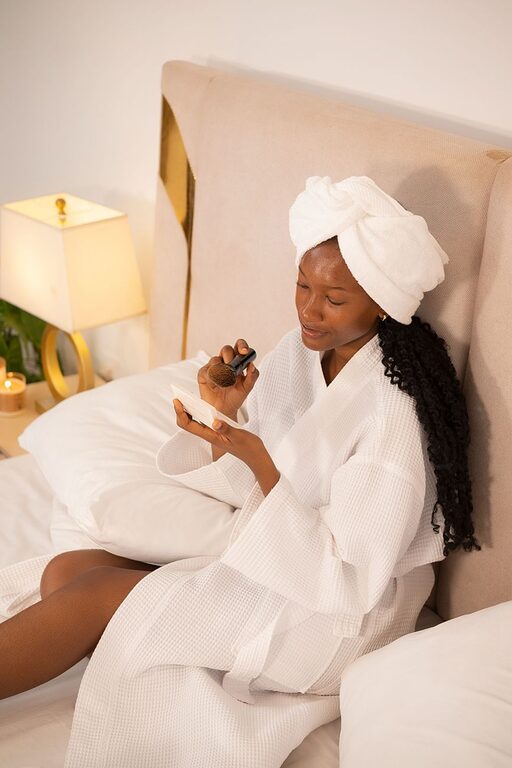
15 Low-Cost Self-Care Ideas to Try at Home
Self-care does not have to involve expensive products, spa appointments, or a packed schedule. Often, the most useful habits are simple activities that help you slow down, recharge, and make your home feel more comfortable.
Whether you have 10 minutes or a free afternoon, there are plenty of low-cost ways to care for your everyday wellbeing. Here are practical ideas to try at home, using items you may already have.
1. Create a calming corner
Choose a small spot where you can sit comfortably and take a break. This could be a chair near a window, a corner of your bedroom, or even a cleared space on the sofa.
Make it inviting with a blanket, cushion, book, or lamp. You do not need to redecorate the room. The goal is simply to create a place that reminds you to pause.
Use this corner for:
– Reading
– Listening to music
– Enjoying a quiet drink
– Writing in a notebook
– Taking a few slow breaths
Keeping the space tidy and ready to use may make it easier to take regular breaks.
2. Make a favourite drink
Preparing a drink can become a small, enjoyable ritual. Try tea, coffee, hot chocolate, sparkling water with fruit, or a simple homemade iced drink.
Focus on the process rather than rushing through it. Choose a favourite mug, prepare the drink carefully, and sit down while you enjoy it. A few quiet minutes without multitasking can make the activity feel more special.
You can also create a small drink station with items you already have, such as tea bags, cinnamon, lemon, or honey.
3. Try a short digital break
Screens are a regular part of daily life, so taking a brief break can help create more space in your routine. Start with 10 or 15 minutes rather than aiming for a long period without devices.
Put your phone on silent and place it out of reach. During the break, try one of these options:
– Look out a window
– Stretch gently
– Tidy one small area
– Listen to music
– Sit quietly
– Read a few pages
If a full digital break is difficult, choose one screen-free activity each evening and build from there.
4. Enjoy an at-home spa evening
A relaxing evening does not require costly treatments. Turn ordinary personal care into a slower, more enjoyable routine.
You might take a warm bath or shower, wash your hair, moisturize with a product you already own, or change into comfortable clothing. Add soft lighting and calming music if you like.
The key is to avoid treating the routine as another task to complete quickly. Give yourself permission to move at a comfortable pace.
5. Write in a notebook
Writing can help you organize your thoughts and notice what you need from the day. You do not need a special journal or a polished writing style. Any notebook or piece of paper will do.
Try one of these prompts:
– What felt good today?
– What is taking up most of my attention?
– What would make tomorrow easier?
– What is one small thing I am looking forward to?
– What can I let go of for now?
Even five minutes of writing may help you step back from a busy day.
6. Have a simple creative session
Creative activities can be relaxing because they encourage you to focus on the process rather than the outcome. Use supplies you already have at home.
Ideas include:
– Drawing or colouring
– Making a collage from old magazines
– Rearranging photos
– Trying a new recipe
– Playing an instrument
– Writing a short story
– Making a playlist
– Folding paper or doing a simple craft
There is no need to create something impressive. Choose an activity that feels interesting and enjoyable.
7. Refresh one small area
A full home clean-up can feel overwhelming, but refreshing one small area may be more manageable. Set a timer for 10 minutes and choose a single target, such as a bedside table, desk drawer, kitchen counter, or bathroom shelf.
Remove rubbish, put items back in place, and wipe the surface if needed. Stop when the timer ends or continue only if you still have energy.
A small improvement can make your surroundings feel more comfortable without turning self-care into a demanding project.
8. Make a comfort basket
Put a few useful and comforting items in a basket or box. This makes it easy to create a relaxing moment without searching through different rooms.
Your basket might include:
– A book or magazine
– Hand cream
– Warm socks
– A notebook and pen
– Headphones
– A puzzle
– A favourite snack
– A reusable water bottle
Keep the basket somewhere easy to reach. You can update it as your interests change.
9. Practise gentle movement
Movement at home can be free and uncomplicated. Try stretching, walking around the house, dancing to a few songs, or following a beginner-friendly routine from a trusted free source.
Choose activities that feel comfortable and suitable for your current energy. The aim is not to complete a demanding workout. A few minutes of movement can simply help you shift gears between activities or break up a long period of sitting.
You can also pair movement with something enjoyable, such as music or an audiobook.
10. Plan a quiet morning or evening
A rushed start or busy bedtime can make the day feel more hectic. Create a simple routine with two or three calming steps.
For an evening routine, you might:
- Put away a few items
- Prepare clothes for the next day
- Make a drink
- Read or listen to music
- Write down tomorrow’s top priorities
For a morning routine, try opening the curtains, drinking water, playing music, and taking a few minutes before checking messages.
Keep the routine realistic. A short routine that you can repeat is more useful than an elaborate plan that feels difficult to maintain.
11. Reconnect with a hobby
Think about activities you enjoyed before your schedule became busy. Perhaps you liked baking, puzzles, gardening, photography, reading, or learning something new.
Choose a small version of the hobby. Read one chapter, water a few plants, complete a puzzle section, or watch a short lesson. Returning to an old interest can make your day feel more personal and balanced.
12. Set up a no-spend self-care menu
Make a list of activities you can choose from when you need a break. Include options based on the amount of time and energy you have.
Ten-minute options
– Make a drink
– Step outside or look out a window
– Stretch
– Write a few lines
– Listen to one song
Thirty-minute options
– Read a chapter
– Take a bath or shower
– Prepare a simple snack
– Tidy one small area
– Work on a creative project
Longer options
– Cook a meal from scratch
– Watch a favourite film
– Try a new hobby
– Rearrange a comfortable room
– Have a relaxed phone call with someone you care about
Having a prepared list reduces the effort of deciding what to do when you are already tired.
Make self-care easy to repeat
Low-cost self-care works best when it fits naturally into your life. Start with one activity that feels pleasant and realistic. Keep the materials nearby, add it to a regular part of your day, and avoid measuring success by how long you spend on it.
Self-care can be as simple as making your home more comfortable, giving yourself a quiet moment, or returning to an activity you enjoy. Small, consistent choices can help create a calmer and more supportive daily routine without placing pressure on your budget.
