
How to Build a Simple Workout Corner at Home
Creating a workout corner at home can make exercise more convenient, comfortable, and consistent. You do not need a large room or expensive equipment. With a small amount of planning, an unused corner can become a practical space for stretching, strength exercises, yoga, or light cardio.
The key is to build a setup that suits your home and your routine. Start with the space you have, choose versatile equipment, and keep everything easy to access.
Choose the Right Location
The best workout corner is somewhere you are likely to use regularly. A spare room is helpful, but it is not essential. You could use part of a bedroom, living room, home office, basement, or a quiet section of a garage.
Look for a space with:
– Enough room to move your arms and legs freely
– A level, stable floor
– Good lighting
– Fresh air or suitable ventilation
– Easy access to your equipment
– A surface that is easy to clean
Before placing anything in the area, test a few simple movements. Stand with your arms extended, bend your knees, and take a few steps in different directions. This can help you identify furniture, shelves, or light fixtures that may get in the way.
If your space is shared with another activity, choose equipment that can be packed away quickly. A folding mat, stackable weights, and a storage basket can help the corner serve more than one purpose.
Measure Before You Buy
It is easy to purchase equipment that looks useful but does not fit comfortably in your home. Measure the available floor space and consider the height of the ceiling, especially if you plan to do overhead movements or use resistance bands.
Leave enough room around your workout area to move safely. Avoid placing equipment where it could block a doorway, walkway, heater, or window. If you use a television or tablet for guided workouts, position it where you can see the screen without twisting or stepping around furniture.
A simple floor plan can help. Mark the workout area with painter’s tape for a few days before buying anything. This gives you a better sense of how much space you actually need.
Start with Essential Equipment
A home workout corner does not need to contain every type of fitness equipment. Begin with a few versatile items that support different activities.
Exercise Mat
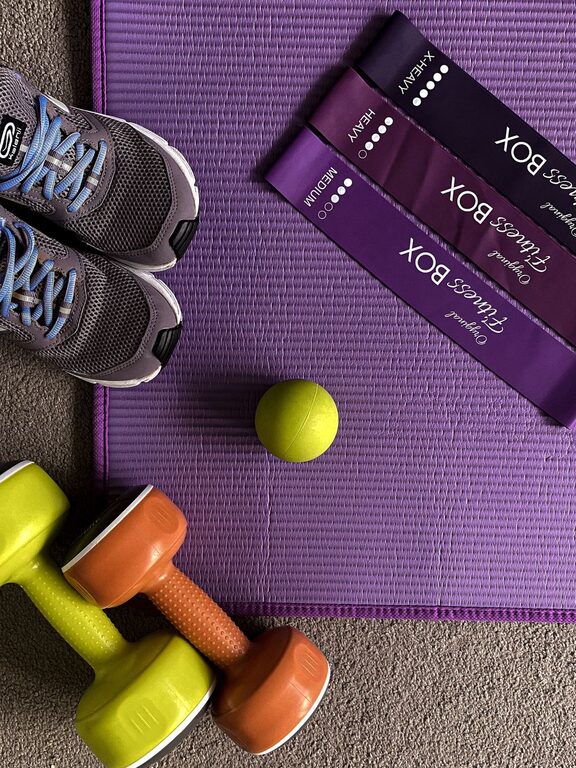
An exercise mat provides a more comfortable surface for floor exercises, stretching, and mobility work. Choose a mat that is long enough for your body and thick enough to suit the floor beneath it. A textured or non-slip surface can help it stay in place during movement.
Resistance Bands
Resistance bands are lightweight, affordable, and easy to store. Different band strengths can support a range of exercises for the upper body, lower body, and core. A small set with handles or loop bands can add variety without taking up much space.
Light Weights
A pair of dumbbells can be useful for exercises such as squats, rows, presses, and curls. If you are new to strength training, start with a manageable weight that allows you to focus on steady, controlled movement.
Adjustable dumbbells can save space, although they may cost more than fixed-weight options. Choose the style that fits your budget and storage needs.
Small Accessories
Other useful additions may include:
– A sturdy exercise bench or step
– A yoga strap
– A foam roller
– A skipping rope, if you have enough clearance
– A small towel and water bottle
– A timer or simple clock
Add these items gradually. Your workout corner should support your routine rather than become crowded with equipment you rarely use.
Plan Practical Storage
Good storage keeps the space tidy and makes it easier to start a workout. If equipment is hidden in a cupboard or scattered across the home, you may be less likely to use it.
Consider these storage ideas:
– Place weights on a low, stable shelf
– Keep resistance bands in a labelled basket
– Hang skipping ropes or straps on sturdy hooks
– Store your mat upright in a corner
– Use a small cabinet for accessories
– Choose storage with rounded edges where possible
Heavy items should be stored low to reduce the risk of them falling. Avoid stacking equipment in unstable piles. If you use wall-mounted storage, follow the product instructions and make sure it is attached to a suitable surface.
A small tray or basket can hold frequently used items, such as a timer, towel, and bands. Keeping these essentials together reduces setup time.
Make the Area Comfortable
A pleasant environment can make your workout corner more inviting. Natural light is useful, but try to avoid glare if you follow workouts on a screen. A lamp may help in darker spaces, provided cords are kept out of the way.
You can also improve the area with simple touches:
– Add a mirror to check general positioning
– Use a washable floor covering beneath the mat
– Keep a towel nearby
– Display a simple weekly schedule
– Add a plant if the area has suitable light
– Use neutral colours to create a calm background
Avoid making the space too busy. The main goal is to create an area that feels clear, comfortable, and ready to use.
Put Safety First
Before each workout, check that the floor is dry and that equipment is in good condition. Look for frayed bands, loose handles, cracked weights, or damaged mats. Replace worn items rather than continuing to use them.
Keep cords, furniture, and storage boxes outside the movement area. Make sure the mat lies flat and does not curl at the edges. Wear footwear that suits the activity and provides a stable grip on the floor.
If other people or pets share your home, let them know when the area is in use. Store small equipment safely after each session, especially if children may access it.
Start movements slowly and use controlled technique. If an exercise causes pain or feels unsafe, stop and choose a more suitable option.
Design a Routine You Will Use
A workout corner is most useful when it supports a realistic routine. Decide when you are most likely to exercise. Some people prefer a short session in the morning, while others find an evening routine easier.
Create a simple weekly plan that may include:
– Strength exercises on selected days
– Stretching or mobility work
– Light cardio activities
– Rest or flexible movement days
Keep your first sessions manageable. A short, consistent workout is often easier to maintain than an ambitious plan that quickly becomes difficult to follow. You can increase the length or variety of your sessions over time.
Consider keeping a notebook or calendar in the workout corner. Record the date, activity, and any equipment used. This can help you stay organized and notice which types of exercise you enjoy.
Refresh the Corner Over Time
Your workout space does not need to be perfect from the beginning. Use it for a few weeks and pay attention to what works and what does not. You may discover that you need more storage, better lighting, or a different mat.
Avoid buying new equipment simply because it is popular. Add items only when they solve a clear problem or support an activity you genuinely plan to do.
A simple workout corner should be easy to reach, easy to tidy, and comfortable enough to use regularly. With a suitable location, a few versatile pieces of equipment, and a straightforward routine, even a small part of your home can become a useful space for movement.
